CaliNews Daily | Trusted News from Across California

CaliNews Daily | Trusted News from Across California
In today’s social media–driven beauty culture, it’s no longer adults who are investing in anti-aging serums and whitening treatments, it’s teenagers. Across platforms, influencers are promoting ultra white teeth, “preventative” anti-aging routines, and overnight teeth transformations as essential parts of self-care. But what happens when developing skin and teeth are subjected to harsh, adult-level treatments?
This article explores the rising trend of teens using products and procedures designed for mature bodies and the misinformation that’s pushing them there. Grounded in science and informed by dermatological and dental care principles, this post takes a critical look at how beauty myths are leading to potential long-term damage to developing skin and teeth.
Whether you’re a teen navigating these pressures, a parent concerned about what’s trending, or simply curious about what drives this cultural shift, this article will help you understand what’s really safe, what’s unnecessary, and what could have lasting consequences. The goal isn’t to shame, it’s to inform. Because when it comes to skin and teeth, what you do early matters more than what you do late.
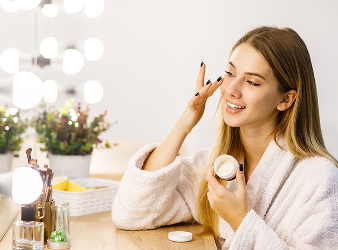
Many anti-aging products are formulated for adult skin. Ingredients like retinoids, strong acids, and peptides may interfere with the natural development of teenage skin, potentially causing irritation, thinning, or hormonal disruption.
Anti-aging products marketed to teens often promise “prevention,” but dermatologists warn against using adult formulas too early. Teen skin is typically more resilient and doesn’t require the intensive treatment adult skin needs. Overuse of these products may lead to long-term damage to developing skin and teeth through ingredient overload and disrupted skin barriers.
The glorification of adult routines online has influenced teen users to pursue treatments that are neither necessary nor safe. Teens mimicking adult skincare and dental regimens often do so without understanding the science a practice that risks overuse and permanent damage. Our tech innovation section explores how algorithms and trends shape behavior, especially among Gen Z.
The question of how to use alum for skin whitening has recently surfaced across beauty forums. Alum, a naturally occurring compound, has been used for its astringent and antibacterial properties but it’s not without risks.
Used improperly, alum can disrupt the skin’s pH, cause dryness, and lead to pigmentation issues. Whitening treatments of any kind should not be applied to developing teenage skin unless prescribed by a dermatologist.
Cultural beauty standards continue to pressure teens into chasing fairness. However, dermatological professionals and organizations warn against the use of whitening agents at a young age due to long-term consequences such as sensitivity, uneven tone, and early signs of skin aging.
The idea that super white teeth are attractive is one of today’s most marketed dental ideals. Unfortunately, over-bleaching can damage enamel, especially in teens whose teeth are still developing.
Excessive whitening strips, DIY treatments, and influencer-promoted products can cause long-lasting sensitivity or gum irritation. In fact, professionals warn that even the best whitening methods, when overused, can thin enamel and cause permanent issues.
One of the more commonly referenced providers in the conversation is Paloma Dental, which reflects the general public’s shift toward cosmetic dentistry. However, true dental care professionals focus first on health and preventive hygiene before aesthetics.
While the media often portrays ultra white teeth as the gold standard, studies show that uniformity and cleanliness are more important than brightness. Natural tooth color varies, and extreme whiteness may actually appear unnatural or artificial. Our blogs explore more perspectives on image and media perception.
Major teeth transformation videos on social media often lack medical context. These edits present overnight change without disclosing dental risks or maintenance realities. Teens may be influenced to pursue whitening without understanding potential complications.
Over time, these habits can lead to enamel loss, receding gums, and increased cavity risk — especially if fluoride protection is weakened by whitening agents.
Major teeth transformation videos on social media often lack medical context. These edits present overnight change without disclosing dental risks or maintenance realities. Teens may be influenced to pursue whitening without understanding potential complications.
Over time, these habits can lead to enamel loss, receding gums, and increased cavity risk — especially if fluoride protection is weakened by whitening agents.
Teens applying harsh anti-aging serums or intensive whitening treatments may experience adverse effects earlier in life. Instead of preserving youth, these habits could accelerate visible aging and dental decline.
Products made for mature skin or adult dentition are not designed for developing physiology. The best anti-aging tool for teens? Gentle cleansing, sun protection, a healthy diet, and routine dental checkups.
For more youth wellness insights and lifestyle reporting, explore our full site through the Calinewsdaily.
The rise of teen anti-aging products and the quest for ultra white teeth reflect deeper pressures from media and beauty marketing. While skincare and oral health are important, overuse of products meant for adults can do more harm than good.
Whether it’s the misapplication of how to use alum for skin whitening or the pursuit of extreme teeth transformation, teens must be guided by evidence-based care, not trends.
Knowledge is your best beauty tool. Learn, question, and protect what’s still developing — your future self will thank you.
For more on this and related stories, visit our contact page or explore the full range of timely topics at the Calinewsdaily homepage.
Does teeth whitening make you look more attractive?
In moderation, yes. Clean, well-maintained teeth can enhance one’s appearance. But overly ultra white teeth can look artificial. Natural brightness with healthy enamel is most appealing.
What is the most powerful anti-aging?
The most effective anti-aging technique for teens is daily SPF, healthy habits, and gentle skincare. For adults, retinoids and peptides — when prescribed — offer results.
Why are white teeth the beauty standard?
White teeth symbolize cleanliness and health in many cultures. Media and celebrity influence have exaggerated this into an “ultra white” ideal that may not be realistic or safe.
Are super white teeth attractive?
Only to a point. Super white teeth that appear too bright can look unnatural. A healthy, natural shade with proper alignment is more universally attractive.
Explore our latest blog posts for in-depth analysis, expert insights, and behind-the-scenes perspectives on the news and issues that matter most to Californians. Stay informed, curious, and engaged with every story we share.